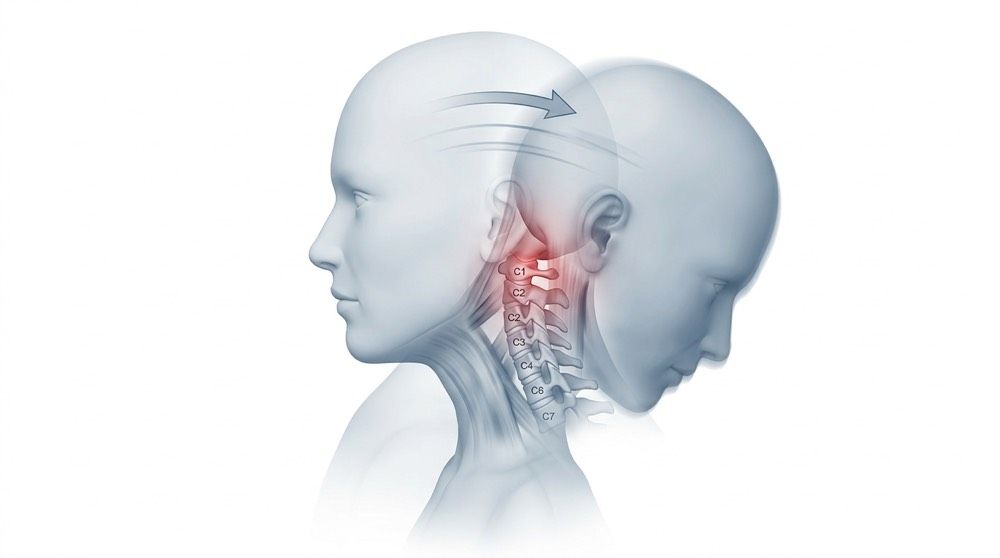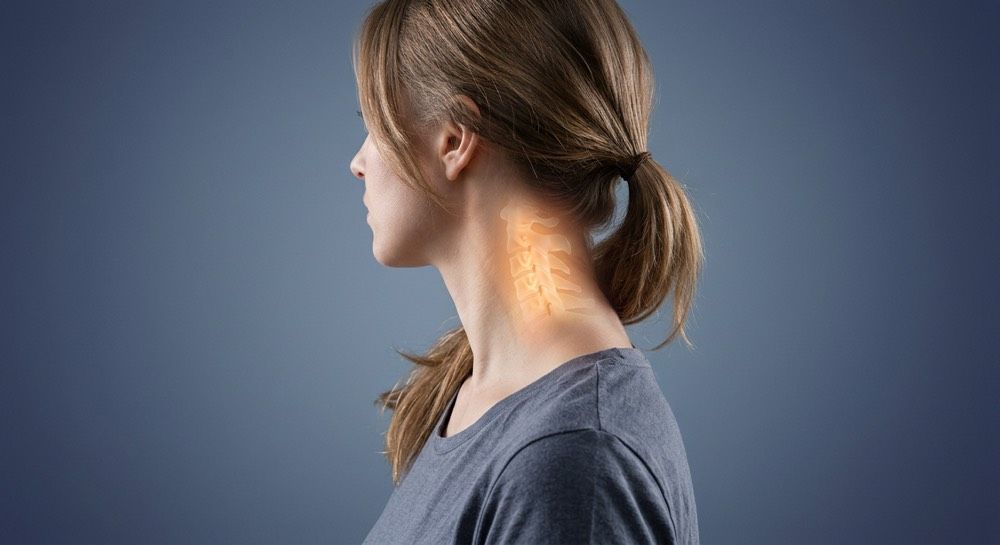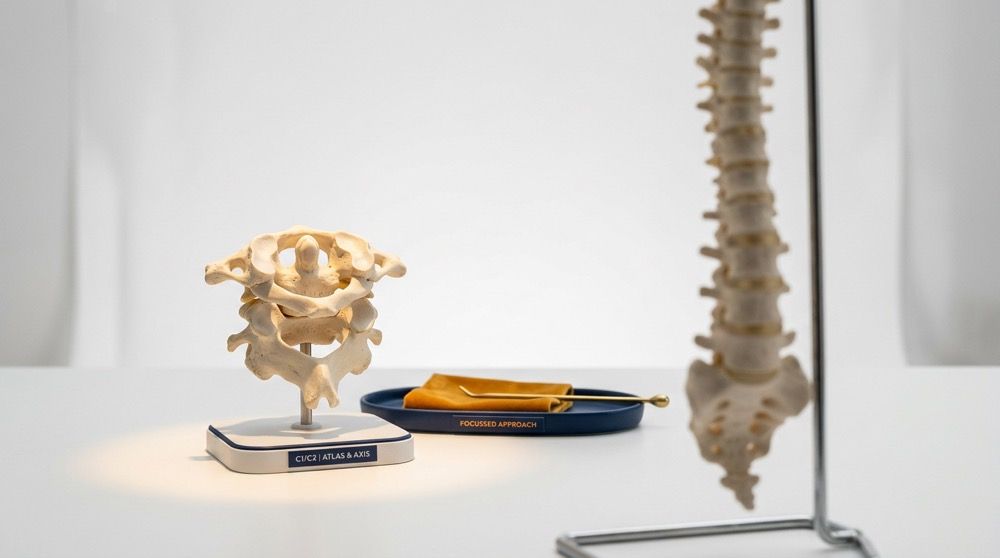
Sinus headaches are one of the most common reasons people see a doctor. The pressure behind the eyes, the pain across the cheekbones, the dull throbbing that gets worse when you bend forward — for many people, it is a familiar pattern that comes back season after season. The usual response is to treat the sinuses themselves with antibiotics, decongestants, antihistamines, or nasal sprays. For some people that works. For many others, the relief is partial or short-lived, and the headaches keep returning despite years of treatment. There is a reason this happens that is rarely discussed: many headaches diagnosed as sinus headaches are not actually caused by the sinuses. They are caused by the upper cervical spine, and they respond to a very different kind of care. Upper cervical chiropractic relief begins with looking at the neck — not the nose.
When a Sinus Headache Is Not Actually a Sinus Problem
Many headaches diagnosed as sinus headaches are actually cervicogenic — meaning they originate in the cervical spine and refer pain into the face, forehead, and behind the eyes. Others are migraines that produce sinus-like symptoms such as facial pressure, nasal congestion, and tearing. Research from the headache literature has shown that a large percentage of patients who self-diagnose with sinus headaches actually meet the criteria for migraine or cervicogenic headache when properly evaluated. The pattern looks like sinus trouble, but the source is somewhere else entirely.
Even when the sinuses are genuinely inflamed, nervous system dysfunction in the upper cervical region can make the experience worse. The body's perception of pain, the regulation of inflammatory responses, and the function of the facial nerves all depend on a healthy connection between the brainstem and the structures of the head and neck. When that connection is disrupted by atlas misalignment, sinus pressure tends to feel more intense, last longer, and resist standard treatments. This is why upper cervical care often helps where sinus medications and procedures have fallen short — it addresses a layer of the problem that the standard sinus protocol does not reach.
The Atlas, the Upper Cervical Nerves, and Sinus Symptoms
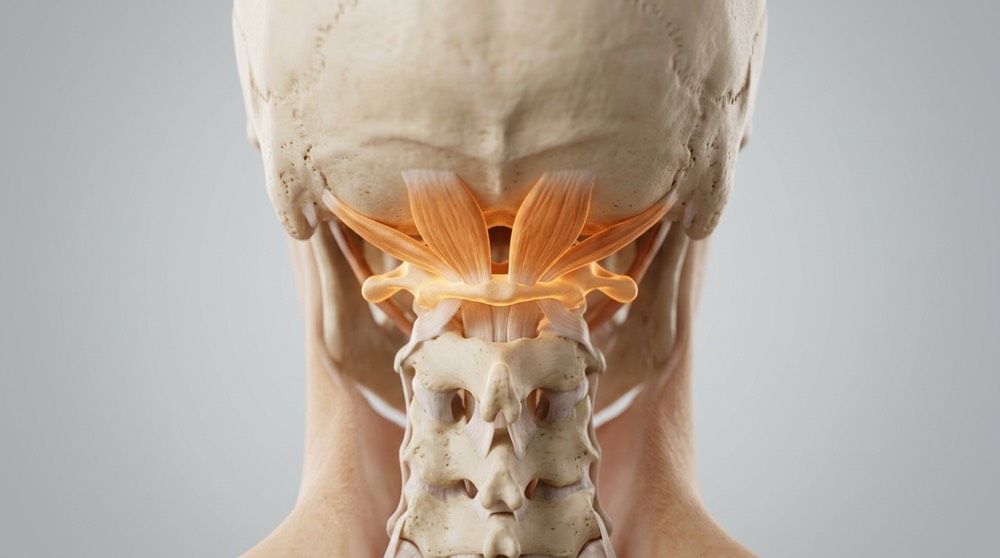
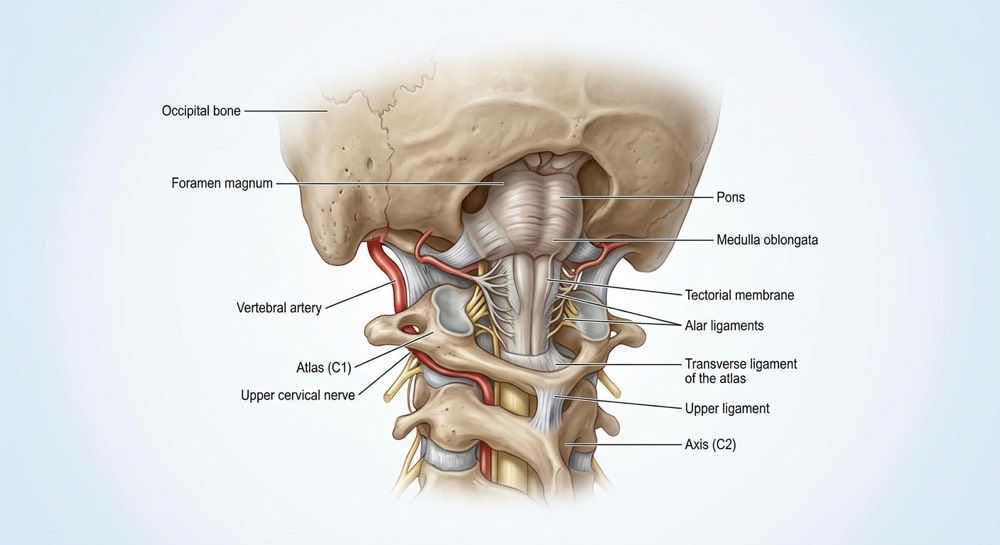
The connection between the upper cervical spine and sinus symptoms comes down to nerve supply. The upper cervical nerves, which exit the spine just below the skull, provide sensory innervation to the sinus mucosa, the forehead, the cheekbones, and many of the facial structures involved in what people experience as sinus pain. The trigeminal nerve — the primary sensory nerve of the face — shares pathways and processing regions in the brainstem with these upper cervical nerves. When the atlas is misaligned and creates pressure or irritation in this region, the result is exactly the kind of pain pattern that gets labeled a sinus headache. A
specific upper cervical evaluation can identify whether this nerve pathway is part of the problem.
This is also why patients who have been through multiple rounds of antibiotics and decongestants without lasting relief often find that the root issue is cervical, not sinus. The medications target an infection or inflammation that may not be present, or may be only a small part of what is producing the symptoms. When the underlying cervical dysfunction is corrected, the inflammatory cascade settles, the nerve pathways calm, and the symptoms that were attributed to the sinuses often resolve along with the headaches. It is not that upper cervical care treats sinusitis — it is that many people do not have sinusitis in the first place.
What Keystone Specific Sees in Patients with Chronic Sinus Pain
At Keystone Specific Chiropractic Center, the pattern is familiar. Patients come in for chronic sinus headaches and facial pressure after years of conventional treatment that has not given them lasting relief. They are evaluated with precise infrared thermal imaging and digital X-ray to determine whether upper cervical interference is present. In a meaningful number of these cases, significant atlas or axis misalignment is identified. After a series of gentle, specific corrections, the sinus pressure and facial pain that they had attributed to allergies or sinus problems begins to resolve — often alongside the headaches that brought them in.
This pattern is especially common in people whose sinus symptoms worsen seasonally or seem tied to allergies. The connection between chiropractic care and seasonal allergies is a longer conversation, but the short version is that the same upper cervical dysfunction that produces facial pain also affects how the body regulates inflammatory and immune responses. To be clear: upper cervical chiropractic is not a treatment for sinusitis, allergies, or any specific diagnosed condition. What it does is correct the structural and neurological interference that may be driving symptoms attributed to those conditions. For patients whose neck is the real problem, that distinction is the difference between years of recurring headaches and a lasting solution.
Find Out If Your Sinus Headaches Are Really a Neck Problem
If you have been treating sinus headaches for years without lasting relief, it may be time to examine the upper cervical spine. At Keystone Specific Chiropractic Center, we use precise infrared imaging and digital X-ray to determine whether atlas misalignment is contributing to your symptoms — before any adjustment is made. The evaluation is thorough, the corrections are gentle, and the goal is to find out whether your neck has been the real source of the problem all along.
To schedule a consultation, visit our website or call us at 610-741-6700.