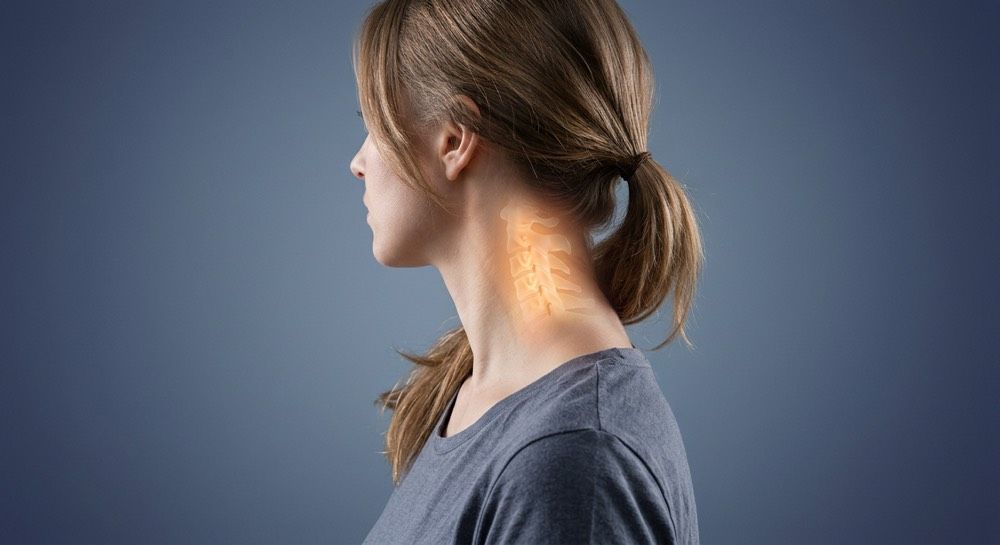
Anxiety affects millions of Americans, and for many people the experience is far more than just worry or stress. It can feel intensely physical — racing heart, shallow breathing, muscle tension, trouble falling asleep, and a persistent sense that the body cannot quite settle. While anxiety is often treated as a purely psychological condition, a growing understanding of the nervous system reveals a deeper truth: anxiety has a physical foundation, and that foundation is often structural. The upper cervical spine, where the brainstem meets the top of the neck, plays a quiet but critical role in regulating the body's response to stress. When this region is misaligned, the nervous system can become stuck in a state of chronic activation — and that activation is what many people experience as anxiety. Upper cervical chiropractic care at Keystone Specific Chiropractic Center offers a structural approach to supporting calm.
Anxiety, the Nervous System, and the Hidden Role of the Atlas
Anxiety is not just a thought pattern or a personality trait. It is the subjective experience of a nervous system caught in sympathetic dominance — the fight-or-flight mode the body uses to respond to threats. In short bursts, sympathetic activation is helpful and protective. It sharpens focus, increases heart rate, and prepares the body to act. But when the nervous system gets stuck in this state for hours, days, or weeks at a time, the body never fully shifts into the rest-and-recover mode it needs to feel calm. Over time, this can manifest as the chronic low-level arousal and reactivity that defines anxiety for many people.
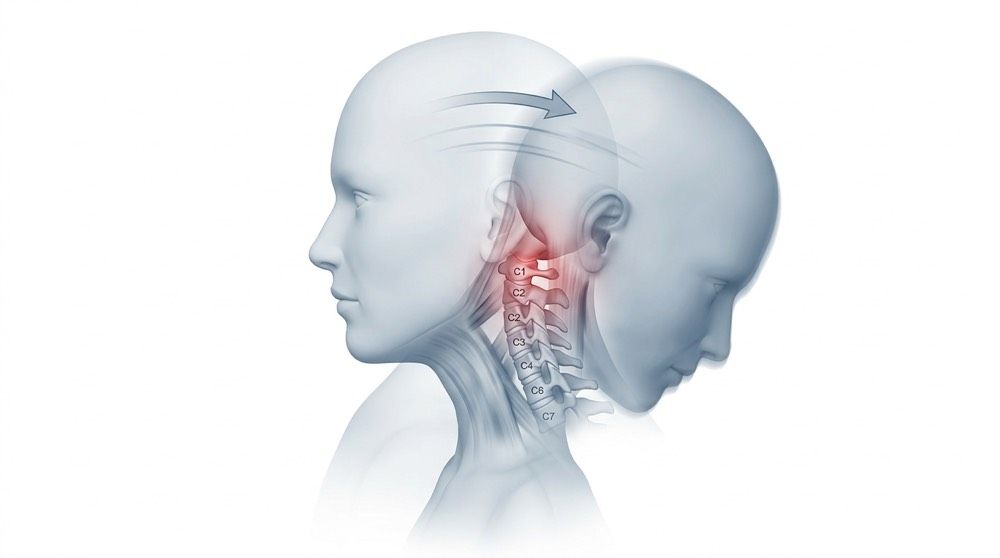
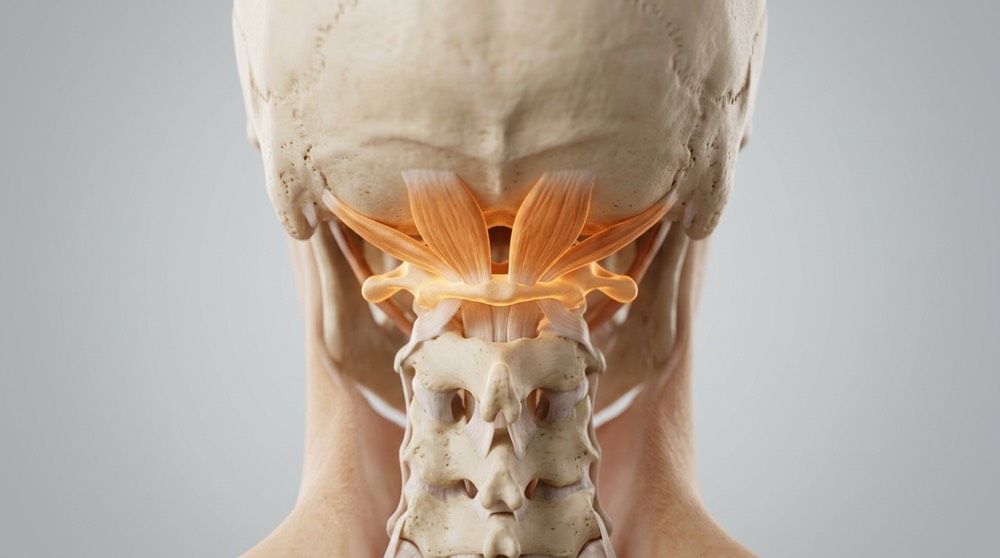
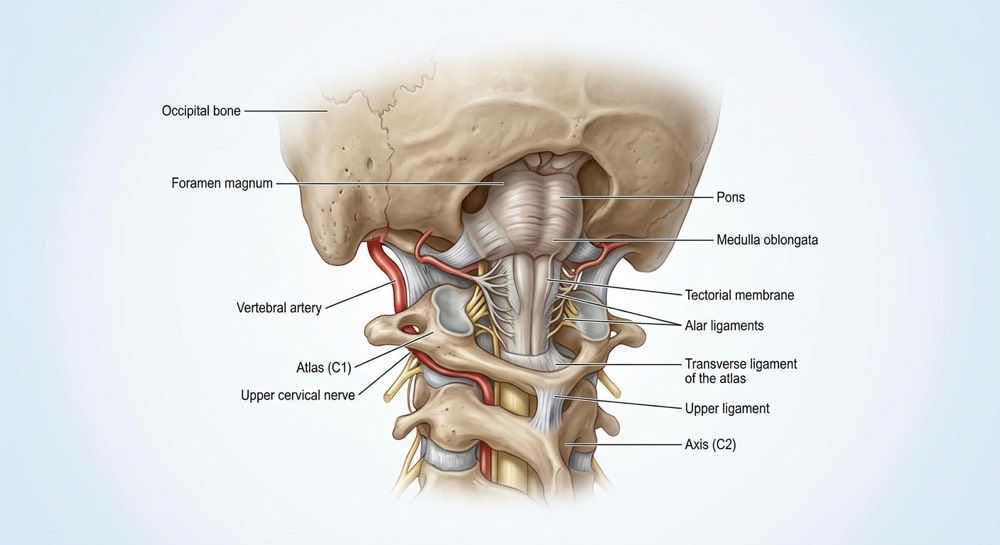
Atlas misalignment is one of the lesser-known contributors to this stuck state. The atlas, or C1 vertebra, sits directly beneath the skull and protects the brainstem — the master control center for autonomic nervous system function. When the atlas shifts even slightly out of position, the resulting mechanical stress can disrupt the balance between sympathetic and parasympathetic input. The nervous system defaults toward activation, and the body interprets that activation as anxiety. This is why addressing the structural cause, rather than only the symptoms, can begin to shift the underlying pattern. For some people who have tried other approaches without lasting relief, the missing piece is structural.
The Vagus Nerve, the Atlas, and the Parasympathetic Reset
The vagus nerve is the body's primary parasympathetic pathway — the nerve responsible for the rest-and-digest response that brings the nervous system back to baseline after stress. It controls heart rate variability, breathing patterns, digestive function, and the overall sense of calm that follows a stressful event. Because the vagus nerve exits the brainstem at almost the same point as the atlas, its function depends on the structural environment of the upper cervical spine. When that environment is healthy, the vagus nerve can do its job. When it is compromised, parasympathetic tone suffers.
When the atlas is misaligned, mechanical pressure can reduce vagal output. Parasympathetic tone drops, and the nervous system loses its built-in brake on stress reactivity. People in this state often describe feeling “on edge” even when nothing stressful is happening, struggling to fall asleep, or noticing that their heart races at minor triggers. They may experience digestive issues, shallow breathing, or chronic muscle tension that does not respond to massage or stretching. Upper cervical correction at Keystone Specific addresses this through a specific structural approach that restores proper atlas alignment — which can help the vagus nerve function more effectively and the parasympathetic nervous system regain its regulatory role. The goal is not to eliminate stress but to restore the body's ability to recover from it.
What Patients at Keystone Specific Have Experienced
Patients at Keystone Specific who come for help with anxiety often describe a noticeable shift after a series of upper cervical corrections. They report sleeping more soundly, feeling less reactive to everyday stressors, and experiencing what many describe simply as a sense of calm they had forgotten was possible. Some have managed anxiety for years through counseling, medication, or both, and they describe upper cervical care as the structural piece their wellness work had been missing. These experiences are consistent with improved vagal tone and a nervous system that is finally able to shift between activation and recovery the way it was designed to.
It is important to be clear about what upper cervical care is and is not. It is not a replacement for mental health care, counseling, or medication for those who need them, and it is not a treatment for clinical anxiety disorders. Dr. Bill Moss works alongside the patient's broader care team rather than in place of it. What upper cervical chiropractic care offers is a structural intervention that can shift the nervous system toward a state more conducive to emotional regulation and overall wellbeing. For patients whose anxiety has a structural component — and many do — addressing that component can give the rest of their wellness work a stronger foundation to build on. For some, the result is a meaningful and lasting shift toward calm.
Find Out If Upper Cervical Care Could Help Your Anxiety
If you have been managing anxiety for years and feel that something more than counseling or medication is needed, the upper cervical spine may be worth examining. At Keystone Specific Chiropractic Center, we use precise digital imaging and infrared scanning to determine whether atlas misalignment is contributing to your nervous system imbalance — before any adjustment is made. Our gentle, specific approach is designed to support the body's natural ability to find calm and to give you a clearer path forward.
To schedule a consultation and learn whether upper cervical care could help you, visit our website or call us at 610-741-6700.