People often think of chiropractic care as a way to relieve back pain and improve physical alignment, but it can help with more than just the musculoskeletal system. More and more, patients and doctors are seeing the link between mental health and spinal health. Chiropractic care can help with stress, anxiety, and overall mental health by relieving physical tension, improving nervous system function, and encouraging relaxation.
Impact on Mental Health
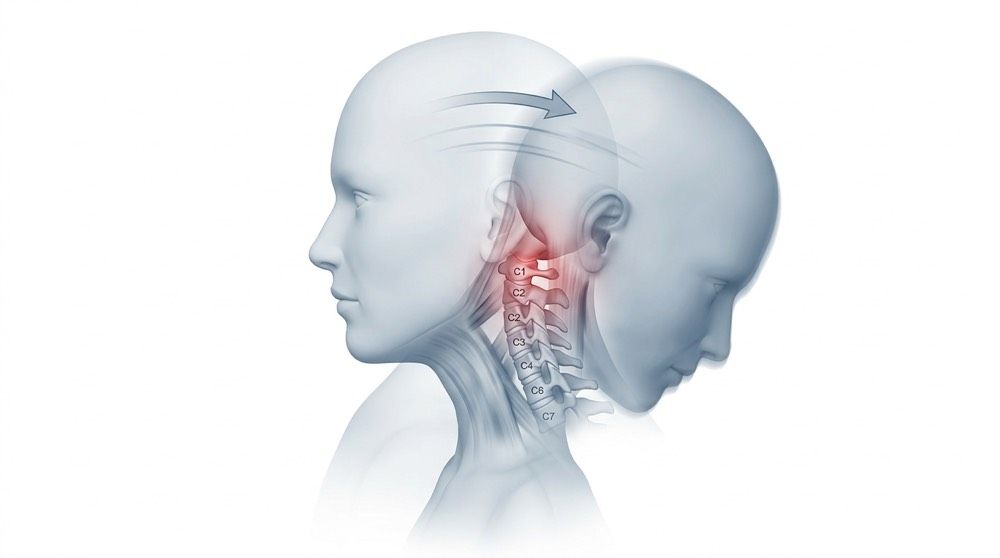
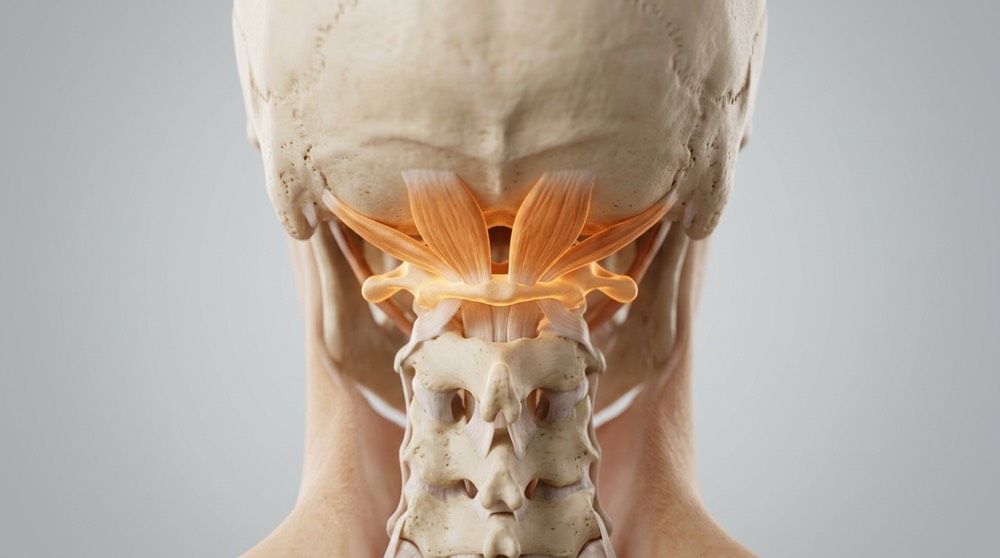
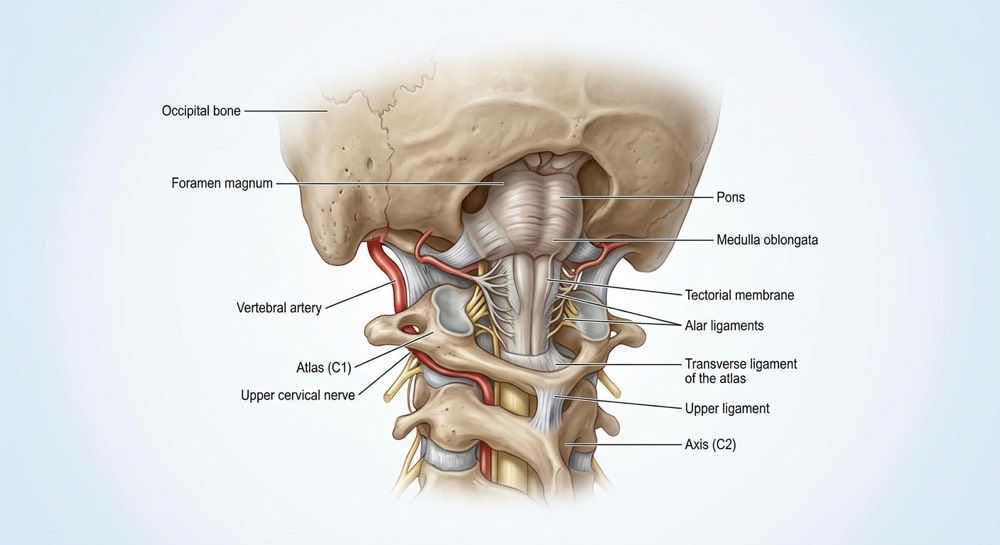
The spine protects the central nervous system, which controls mood, stress responses, and cognitive function. A subluxation, or misalignment of the spine, can make it harder for nerves to talk to each other. This disruption may make people more stressed, irritable, and even show signs of anxiety or depression.
Chiropractic adjustments can restore proper alignment, helping the nervous system function better. After treatment, many patients report feeling clearer-headed and calmer. Chiropractic care can't take the place of therapy or medical care for mental health, but it can help by lowering physical stressors that might make mental health problems worse.
Chronic pain, such as that experienced in the back or neck, often takes a significant toll on mental well-being. Chronic pain can disrupt sleep, reduce physical activity, and cause feelings of anger, which can worsen mental health. Chiropractic care, by reducing pain, can indirectly improve a person's mood and overall well-being.
Stress Relief Techniques
Chiropractors often use a variety of methods to help their patients manage stress. Adjusting the spine can help relax muscles and lower cortisol levels, the body's main stress hormone.
Many chiropractors suggest other activities alongside adjustments, such as stretching, correcting your posture, and breathing exercises. For example, deep breathing exercises can activate the parasympathetic nervous system, helping the body shift from "fight or flight" mode to a more relaxed state.
Massage therapy, often paired with chiropractic adjustments, can amplify stress relief. It does this by easing muscle tension and boosting circulation. Furthermore, some therapists offer guidance on creating a more ergonomic environment at home or work. This can reduce the physical strain that contributes to stress in the first place.
Another important part is advice on how to live. Chiropractors often suggest a regimen of regular exercise, adequate hydration, and a well-rounded diet. These practices can contribute to both physical and mental well-being.
These methods work together to form a comprehensive system for managing stress in daily life.
Overall Well-Being
Chiropractors take a whole-body approach because they understand that mental and physical health are closely linked. Regular adjustments, along with healthy habits, can help you sleep better, have more energy, and feel more balanced.
Sleep is very important for mental health, especially getting enough of it. Patients often sleep better when their pain and discomfort are lessened. This helps with emotional regulation and cognitive function. Over time, this can help someone focus better, feel less anxious, and improve their overall quality of life.
In the end, chiropractic care is a useful approach to improving overall health. It helps build a strong foundation for both the body and the mind by addressing physical imbalances and promoting healthy habits.
Choose the Path to Mental Wellness!
Upper cervical chiropractic care at Keystone Specific Chiropractic Center could be the solution for improving your mental health. Our dedicated team is here to help you achieve optimal health and well-being.
Visit us for consultation and learn how upper cervical care can realign your spine and reclaim your health. To schedule an appointment, visit our website or call us at 610-741-6700.
We look forward to helping you on your path to wellness!