Central sensitization is a change in the central nervous system that causes it to amplify pain signals, so ordinary sensations are processed as painful and pain continues long after tissue has healed. For chronic pain patients it matters because it relocates the problem: the issue is no longer the injured part, it is the system interpreting it.
The neurological reason chronic pain outlives the injury that started it — from the doctors at Keystone Specific Chiropractic Center in Wyomissing, PA.
If you have been told your scans look fine while you still hurt every day, central sensitization is the most useful concept anyone can hand you — and it is not a way of saying the pain is imaginary.
What Central Sensitization Actually Means
Central sensitization means the spinal cord and brain have become hypersensitive, so they respond to normal input as though it were threatening. The volume control on pain has been turned up and left there.
Two features define it. Allodynia is when something that should not hurt does — the weight of a bedsheet, the seam of a sock, a cool draft. Hyperalgesia is when something mildly uncomfortable becomes severely painful. Neither requires new tissue damage; both originate in the pathways that carry and interpret the signal. That is why a person can have a perfectly normal MRI and a completely genuine pain problem at once.
How Common Is Chronic Pain of This Kind?
Chronic pain is extraordinarily common, and sensitization is thought to play a role in a substantial share of it. The scale of the problem is documented in national health data.
According to the CDC's National Center for Health Statistics, in 2023, 24.3% of adults had chronic pain, and 8.5% had chronic pain that frequently limited life or work activities in the past 3 months — figures published in NCHS Data Brief No. 518 in November 2024. MedlinePlus describes the same pattern: pain persisting for months or years, often without a clear ongoing cause.
How Does Central Sensitization Develop?
Sensitization builds gradually, usually from a combination of persistent pain input, stress, and poor sleep rather than from any single event. The nervous system is adaptive, and this is adaptation gone wrong.
The sequence is consistent. An initial source of pain — an injury, a surgery, a chronic strain — sends signals repeatedly, and repetition strengthens those pathways the way practice strengthens any neural circuit. Stress and poor sleep lower the threshold further, because both suppress the body's own pain-dampening systems. Eventually the injury heals and the amplification remains.
Where the Upper Cervical Spine Fits In
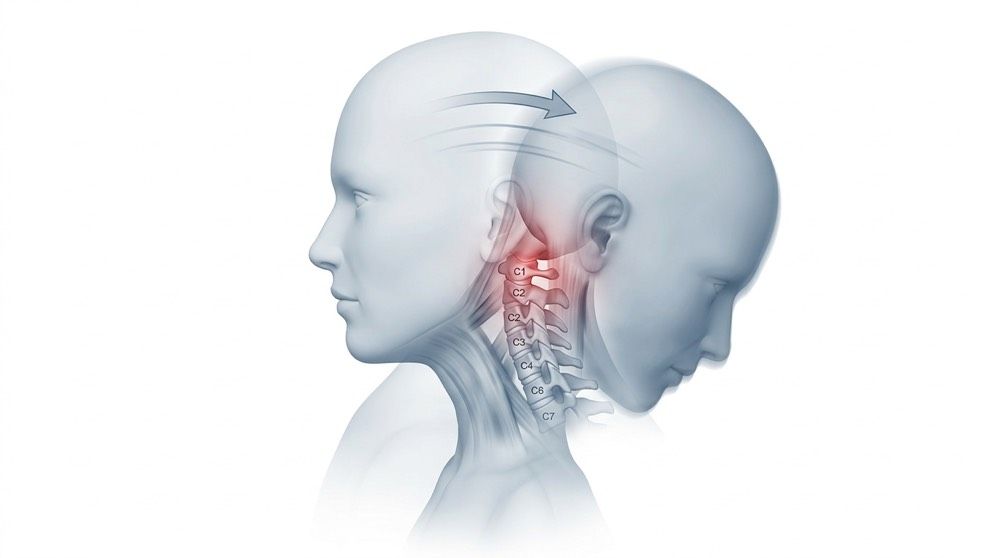
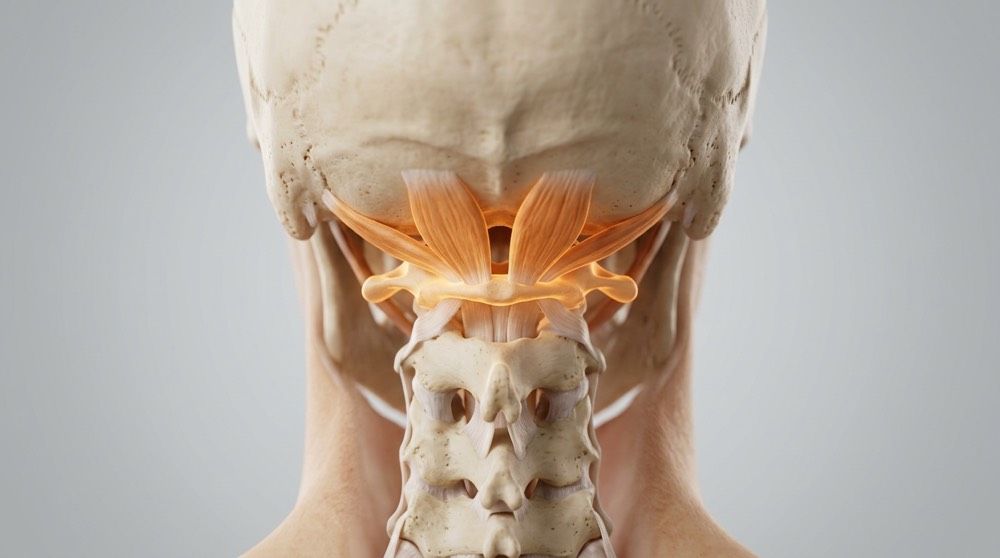
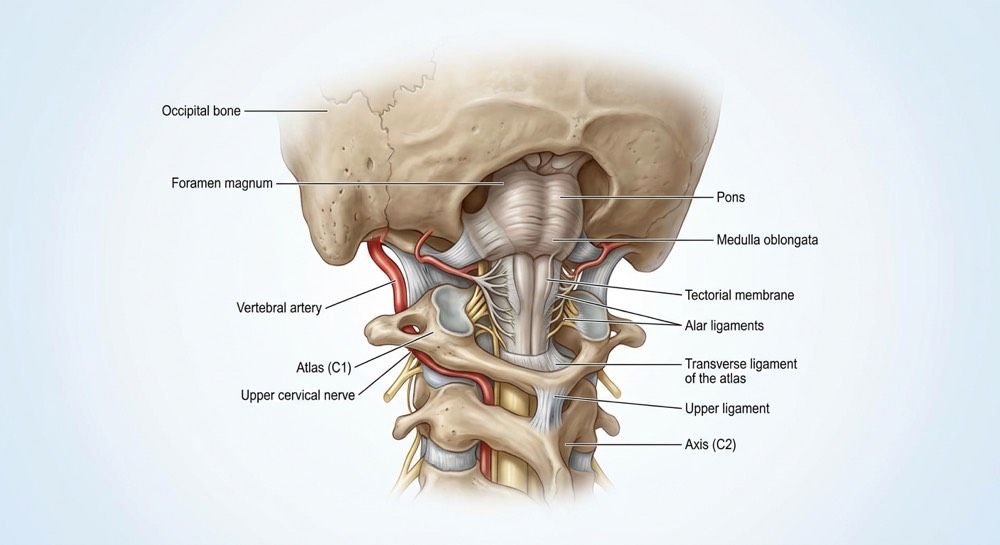
The brainstem sits directly adjacent to C1 and C2, and it houses much of the descending machinery that is supposed to inhibit pain signals — which makes the upper neck one of the few mechanically correctable structures near the circuitry involved.
The relationship is anatomical, not speculative: the brainstem passes through the opening in the atlas, an arrangement unique to that vertebra. Our overview of the atlas and axis explains why two small bones sit at such a consequential crossroads. A misaligned atlas can create ongoing mechanical stress at that junction — for some patients an early contributor to sensitization, for others one more input a sensitized system amplifies. Upper cervical correction addresses that one structural factor. It is not a treatment for chronic pain or central sensitization, and the research does not support calling it one — a distinction that is central to why we practice specific chiropractic.
Why This Changes the Treatment Conversation
Once sensitization is on the table, the goal shifts from finding the damaged tissue to reducing the total load on an over-reactive system. That reframing is usually a relief to patients who have been chasing a diagnosis for years.
It also explains why no single intervention is sufficient. Sleep, stress regulation, graded movement, medical management, and structural correction each lower the load from a different direction. At Keystone Specific in Wyomissing, the structural question is answered objectively first — digital X-rays map the atlas position and a Tytron infrared scan documents nervous-system stress. That measure-first discipline is the basis of our approach to care, and it means some Berks County patients are told a correction is not indicated. For the broader picture, start with what upper cervical chiropractic care is.
Frequently Asked Questions
Is central sensitization the same thing as chronic pain?
No. Chronic pain describes duration — pain lasting months or longer. Central sensitization describes a mechanism: the nervous system amplifying signals so that pain is generated or magnified without matching tissue damage. Many chronic pain conditions involve sensitization, but not all do, and some acute conditions can show sensitized features early.
Does central sensitization mean the pain is in my head?
No. The changes are physical and occur in the spinal cord and brain — real alterations in how nerve pathways transmit and process signals. The pain you feel is genuinely generated by your nervous system. Saying pain is produced by the nervous system is a statement about biology, not a suggestion that anyone is imagining or exaggerating it.
Why does light touch or ordinary sound feel painful?
That is allodynia: a sensitized nervous system processing harmless input as threatening. The pathways carrying touch, temperature, and sound information have been amplified, so signals that would normally register as neutral cross the threshold into pain. It is one of the most recognizable signs that the problem lies in signal processing rather than in the tissue being touched.
Can central sensitization be reversed?
The nervous system remains capable of change, and many patients do improve, but it is usually gradual and rarely complete through any single approach. Reducing the total load — improving sleep, managing stress, staying appropriately active, addressing structural contributors, and working with your physician — is what most credible guidance describes. Expect progress measured in months.
Get an Objective Answer About the Structural Piece
If chronic pain has outlasted the injury that started it, one question worth answering is whether your upper cervical spine is adding load to an already over-reactive system. Contact Keystone Specific Chiropractic Center in Wyomissing — we measure that structure precisely, and the evaluation tells you whether it is a factor for you. Prefer to talk it through first? Call us at (610) 741-6700.
Written by Dr. Bill Moss, DC, upper cervical chiropractor and founder of Keystone Specific Chiropractic Center in Wyomissing, PA.
This article is for general educational purposes and is not a substitute for individualized medical advice or in-person evaluation. Upper cervical chiropractic is not a treatment for chronic pain or central sensitization. Always coordinate care with your physician.