Your first chiropractic visit at Keystone Specific Chiropractic Center in Wyomissing is an assessment appointment, not an adjustment. Dr. Bill Moss reviews your health history, then uses digital postural X-rays and infrared thermography to map exactly where and how your atlas is misaligned — because in upper cervical care, precise analysis always comes before any correction.
That "measure first" sequence is the single biggest difference new patients notice. Below is a step-by-step walk-through of a first visit at our Wyomissing practice, so you arrive knowing exactly what happens and why.
What happens at your first upper cervical visit?
A first visit follows a set sequence: consultation, examination, digital imaging, and an infrared scan — with the actual correction usually scheduled for a follow-up once the data is reviewed. The appointment typically runs 45 to 60 minutes. Rather than a quick "pop and go," it is a structured evaluation designed to answer one question: is there interference at the top of your spine, and if so, exactly where?
By the end of your first appointment you will understand what the findings mean, whether upper cervical care is a fit for your situation, and what a correction would involve. Nothing about your care is generic — every recommendation is built from your own images and scan.
Why isn't there an adjustment on the first visit?
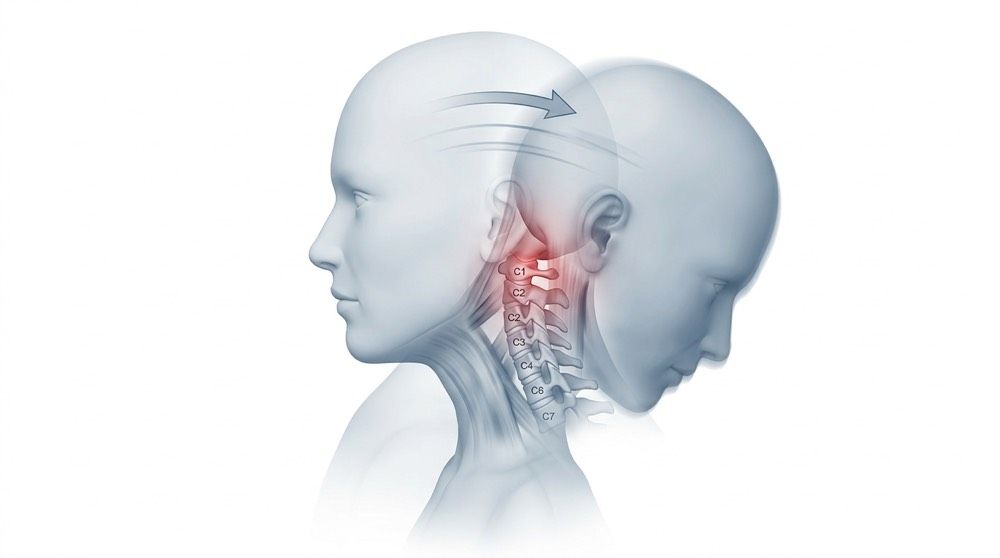
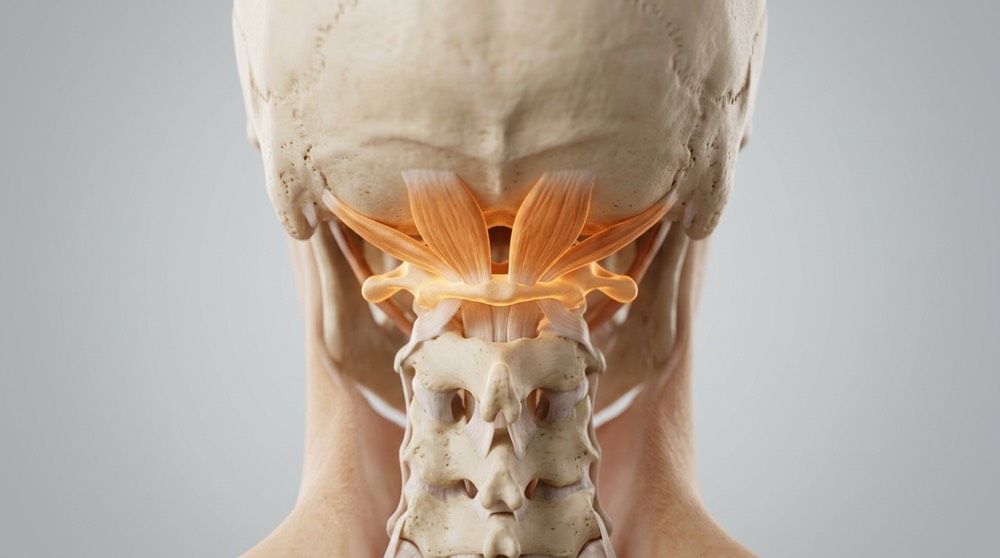
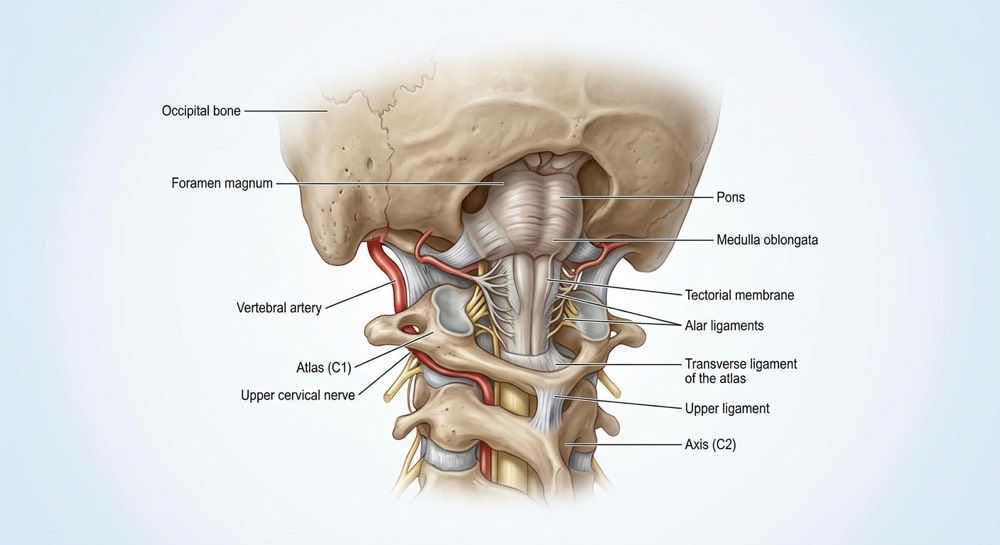
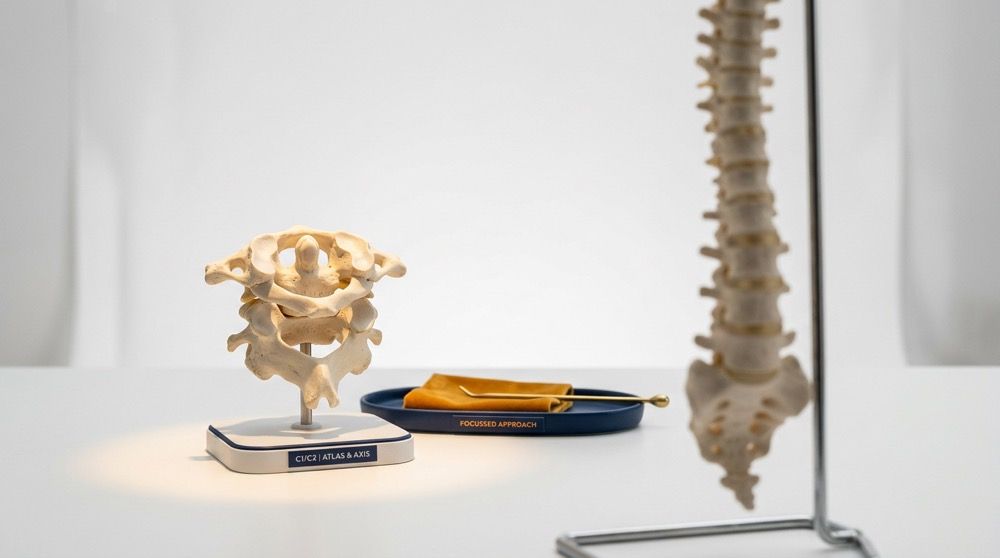
Because a precise correction requires precise data, and that data doesn't exist until your X-rays and scan are analyzed. Upper cervical specific chiropractic corrects one root problem — the alignment of the atlas (C1) and axis (C2) — using a vector calculated from your individual images. Adjusting before that analysis would defeat the entire point of the technique.
This is a core part of our
approach to care: no guesswork, no "adjust everything and hope." According to the National Center for Complementary and Integrative Health, spinal manipulation is among the most commonly used non-drug approaches by U.S. adults (NCCIH, 2019) — but at Keystone Specific, it is delivered only when objective findings justify it.
The consultation and examination
Your visit opens with a one-on-one consultation with Dr. Moss about your health history, symptoms, prior injuries, and goals. A car accident from years ago, a childhood fall, or a sports injury can all matter, so the history is thorough. A physical and neurological examination follows to establish a baseline.
This conversation matters as much as the imaging. It is where the story behind your symptoms comes together — and where you can ask anything about how upper cervical care differs from the general chiropractic you may have had before. To understand the philosophy first, see
why we practice specific chiropractic.
Digital X-rays and infrared scanning: what they measure
Two technologies do the analytical heavy lifting. Digital postural X-rays reveal the exact geometry of any atlas misalignment and define the precise angle a correction would take. Digital infrared thermography (a painless scan along the spine) detects the heat-pattern asymmetries that signal nervous-system interference — objective data, not just how you feel that day.
Together they turn a subjective complaint into a measurable picture. The scan is repeated after a correction to confirm the change actually held. You can read more about the vertebrae at the center of this analysis in our overview of
the atlas and axis.
Why the post-adjustment rest period matters
When a correction is delivered at a later visit, it is followed by 15 to 20 minutes of rest on a heated table — and this is a clinical step, not a courtesy. The rest period gives your nervous system time to begin re-patterning around the new alignment, which supports how well the correction holds.
The correction itself, when it happens, is gentle and specific. If you want a feel for the actual table experience, our explainer on the
Knee Chest upper cervical technique walks through the mechanics Dr. Moss uses.
Frequently asked questions
How long does the first visit take?
Plan for about 45 to 60 minutes. That covers your consultation with Dr. Moss, a physical and neurological examination, digital postural X-rays, and an infrared thermographic scan. It runs longer than a typical adjustment appointment because the first visit is dedicated to gathering the analysis your future care will be built on.
Will I be adjusted on my first appointment?
Usually not. Upper cervical corrections are calculated from your individual X-rays and scan, so most patients are examined and imaged first, then return for the correction once Dr. Moss has reviewed the findings. This "analyze before adjust" order is what makes the technique specific rather than generic.
What should I bring to my first visit?
Bring a list of current medications, any relevant prior imaging or records, and details about past injuries or accidents — even old ones. Wear comfortable clothing. Most helpful of all is a clear description of your symptoms and what you hope to improve, which shapes the conversation with Dr. Moss.
Is the exam appropriate for children or seniors?
Yes. The assessment is non-invasive, and the infrared scan and gentle approach are well suited to a wide range of ages. Dr. Moss tailors the examination to each person. If you have specific concerns about age or a health condition, raise them during your consultation so they can be addressed directly.
Ready to book your first visit?
Knowing what to expect removes the anxiety of the unknown. If you are ready to find out whether upper cervical care fits your situation, contact Keystone Specific Chiropractic Center in Wyomissing to schedule your first visit — or learn more about Dr. Bill Moss and his approach first.
By Dr. Bill Moss, DC — Founder, Keystone Specific Chiropractic Center, Wyomissing, PA.