A cervicogenic headache starts in the neck and refers pain into the head, while a migraine is a primary neurological condition that originates in the brain and nervous system. Telling the two apart matters because the treatment differs: a headache driven by the upper cervical spine responds to correcting that structure, whereas a true migraine calls for a broader neurological approach.
Many people use "migraine" as a catch-all for any severe headache. But the distinction is clinically real, and getting it wrong means treating the wrong target for years. Here is how the two compare — and why the upper cervical spine sits at the center of the conversation.
What is a cervicogenic headache?
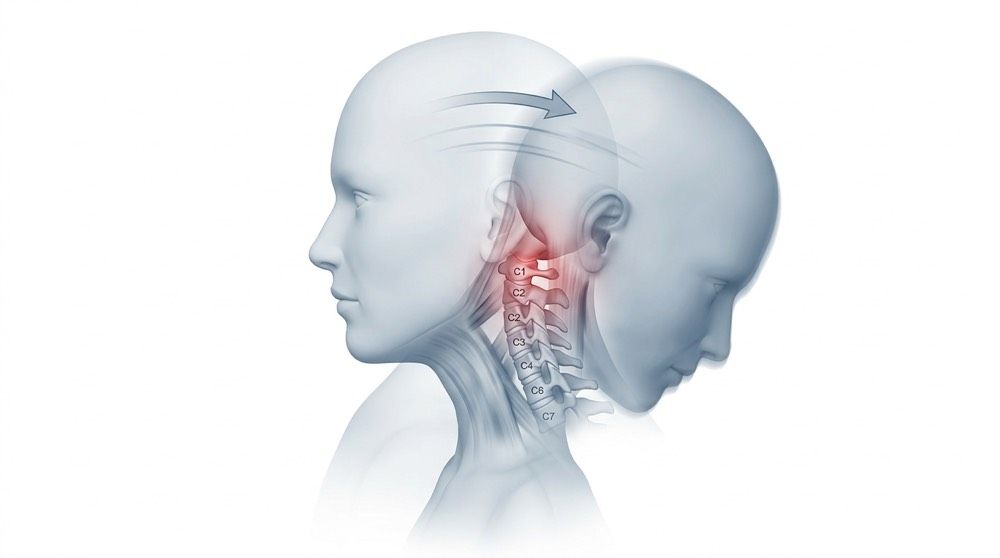
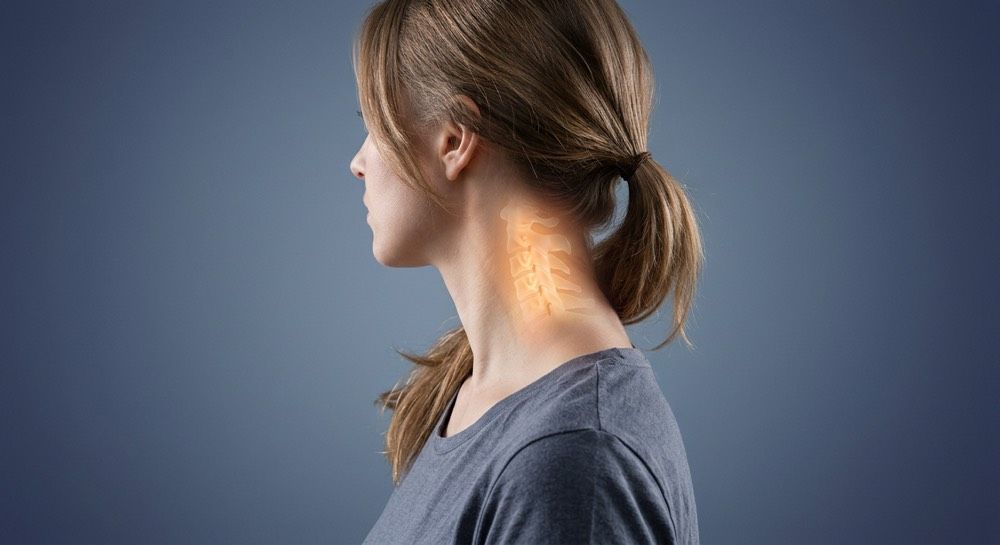
A cervicogenic headache is head pain that actually originates from a problem in the cervical spine — the joints, discs, muscles, or nerves of the neck — and is felt in the head. The pain is "referred," meaning its source and its location are different. It commonly starts at the base of the skull and spreads forward, often on one side, and is frequently linked to neck movement or sustained postures.
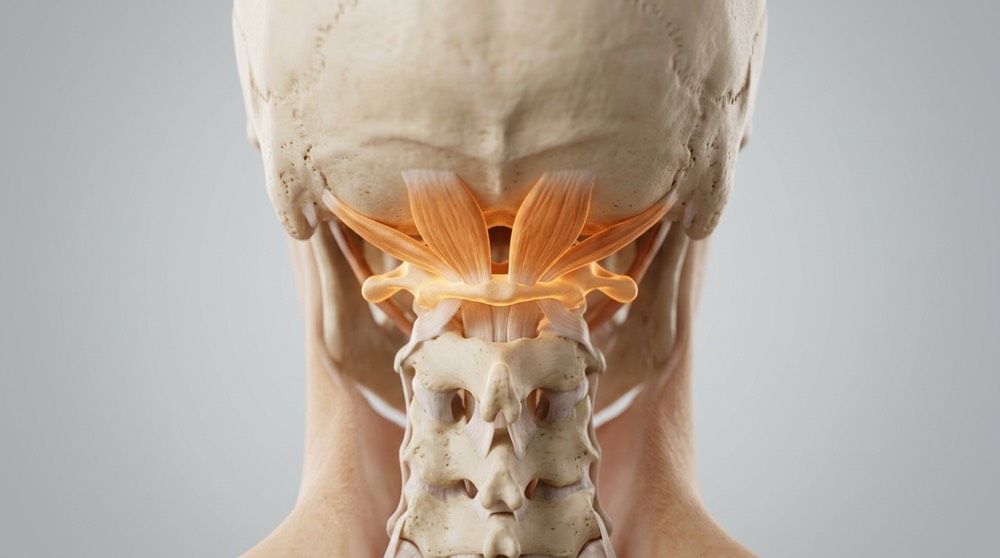
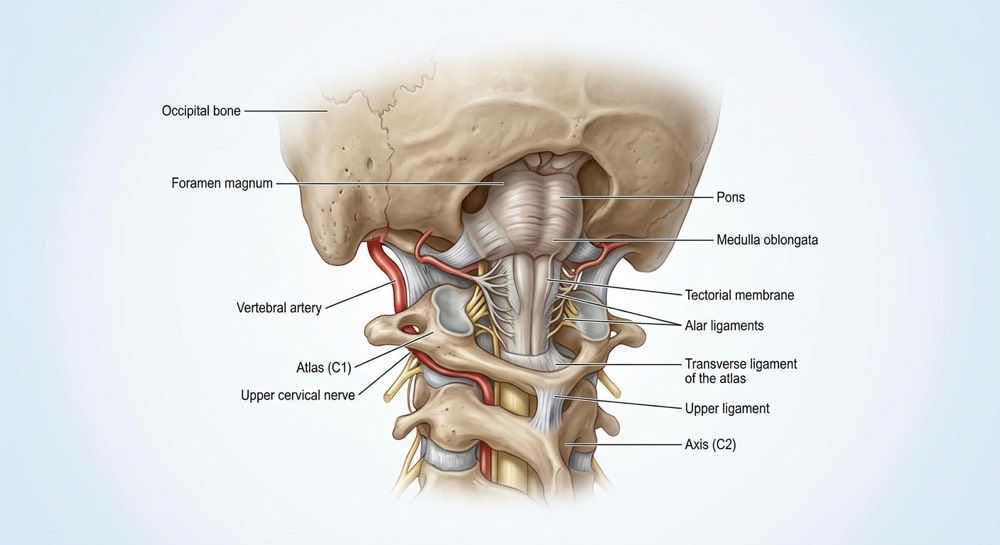
The mechanism traces to the upper neck. Nerves from the top of the cervical spine share pathways with nerves that serve the head, so irritation in the neck can be perceived as a headache (Cleveland Clinic, 2023). That shared wiring is exactly why an atlas misalignment can produce head pain — a connection we explore in our overview of
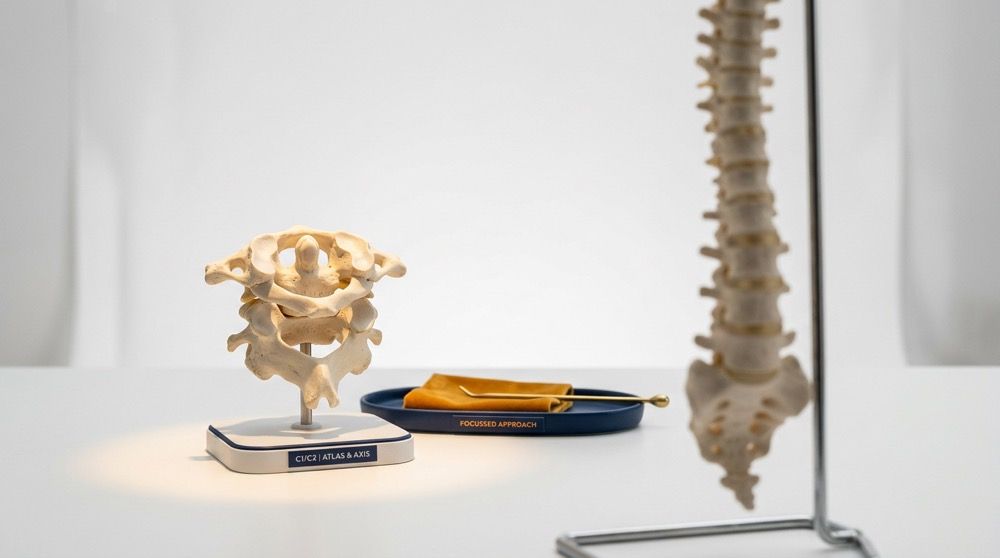
the atlas and axis.
How is a cervicogenic headache different from a migraine?
The core difference is where the pain begins: a cervicogenic headache starts in the neck and refers upward, while a migraine begins as a neurological event in the brain. Migraine also brings features a cervicogenic headache usually lacks — throbbing pain, nausea, sensitivity to light and sound, and sometimes aura. Cervicogenic headaches tend to be steadier, more one-sided, and clearly tied to neck position or movement.
That said, they overlap and can coexist, which is what makes self-diagnosis unreliable. Migraine is common — the American Migraine Foundation reports it affects about 39 million people in the United States (American Migraine Foundation, 2023) — so it is often assumed first, even when the neck is the real driver. A careful assessment, rather than a label, is what separates them.
Why does telling them apart matter for treatment?
Because the effective treatment for one is not the effective treatment for the other. If your head pain is cervicogenic — driven by the upper cervical spine — then medication aimed at migraine chemistry may bring only partial, temporary relief while the structural source goes uncorrected. Conversely, treating a true migraine as a simple "neck problem" misses its neurological nature.
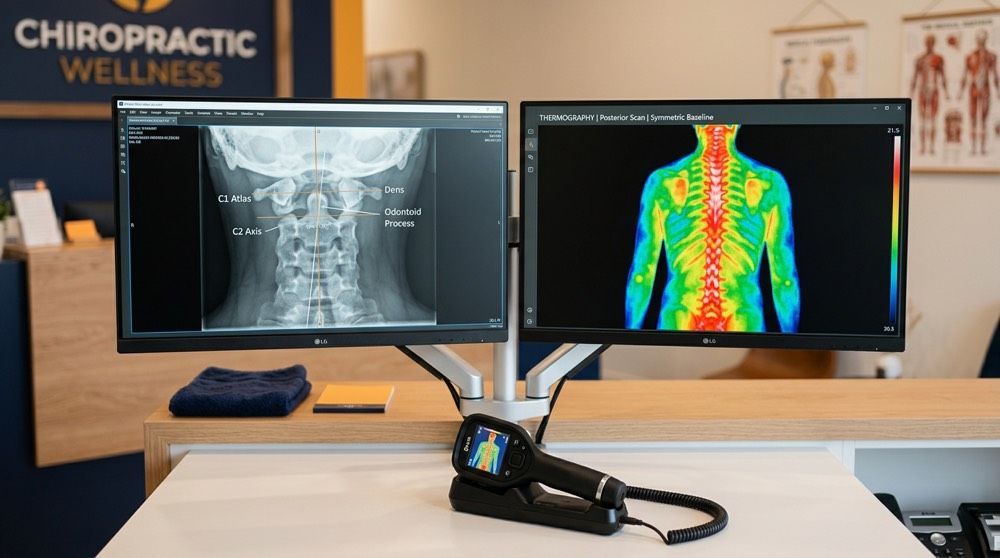
This is why Keystone Specific begins with objective analysis instead of assumptions. Digital postural X-rays reveal whether the atlas is misaligned, and infrared thermography documents nervous-system interference before any correction. That measure-first method is the foundation of
our approach to care, and it is designed precisely to avoid treating the wrong target.
How upper cervical care addresses cervicogenic headaches
When the upper cervical spine is the source, correcting the alignment addresses the headache at its origin rather than masking the pain. A specific, low-force correction of the atlas — calculated from your individual imaging — aims to remove the mechanical irritation feeding the referred pain. There is no twisting or forceful cracking, which suits patients whose necks are already sensitive.
This root-cause focus is the reason
we practice specific chiropractic rather than general, full-spine adjusting. Sinus-labeled headaches follow a similar pattern of mistaken identity; if that describes your history, our post on
sinus headaches and upper cervical care is worth reading. For the bigger picture, our pillar on
upper cervical chiropractic care ties these threads together.
Frequently asked questions
Can you have both a cervicogenic headache and migraines?
Yes. The two conditions can coexist, and a neck problem can even act as a trigger that helps set off migraine attacks in someone already prone to them. This overlap is one of the main reasons an objective evaluation matters — it helps identify how much of your head pain is structural versus neurological, so care can address the right contributors.
How do I know if my headache is coming from my neck?
Clues include pain that starts at the base of the skull, tends to stay on one side, worsens with certain neck positions or movements, and is accompanied by neck stiffness. These signs point toward a cervicogenic source, but they overlap with other headache types. A clinical assessment with digital imaging is the reliable way to confirm whether the upper cervical spine is involved.
Will medication fix a cervicogenic headache?
Medication may ease the pain temporarily, but if the source is a structural problem in the upper cervical spine, the relief tends to be partial and short-lived because the cause remains. Addressing the underlying misalignment targets the origin of the referred pain. Many patients use both — symptom relief alongside root-cause care.
Is upper cervical care appropriate if I'm not sure which headache I have?
Yes, because the process starts with analysis, not treatment. An evaluation at Keystone Specific uses consultation, digital X-rays, and an infrared scan to determine whether an atlas misalignment is present and contributing to your headaches. That information helps clarify what type of headache you are dealing with before any correction is recommended.
Find out where your headache is really coming from
If you have been treating headaches for years without lasting relief, the source may be higher in your neck than anyone has checked. Contact Keystone Specific Chiropractic Center in Wyomissing for an objective evaluation — and finally find out whether your upper cervical spine is the missing piece.
By Dr. Bill Moss, DC — Founder, Keystone Specific Chiropractic Center, Wyomissing, PA. This article is for informational purposes and is not medical advice.