Every year, we hear every year the same thing around seasonal changes:
“Every year, around this time, this happens to me!”
Whether it’s allergies, an increase in pain, dry skin, or catching the common cold, this sentiment echoes daily. Even my clients, who have been thriving under care, often experience a surge in symptoms during this season. So, what gives?
Let me let you in on a little secret…
There’s a significant reason behind this recurring phenomenon. And no, it’s not the end of the world, but rather a massive seasonal shift occurring in the Northeast!
I’m sure you’ve noticed the leaves falling, the days getting shorter, and the need for a coat. It’s clear as day.
Adaptation to Seasonal Changes
But have you considered that your body needs to undergo a massive adaptation as well? Just like the environment, your body has been enjoying the warm weather, abundant sunshine, and all the vibrancy of summer. Now, it must adapt to cooler temperatures and less sunlight.
This adaptation is crucial. You might notice some weight gain or exposure to more germs, leading to the common question, “Why is my coworker always sick this time of year?” Meanwhile, I haven’t missed a day in 10 years, even though I work with hundreds of people weekly. The difference? Effective adaptation.
People whose bodies efficiently adapt to seasonal demands are the ones who thrive.
The Nervous System’s Role
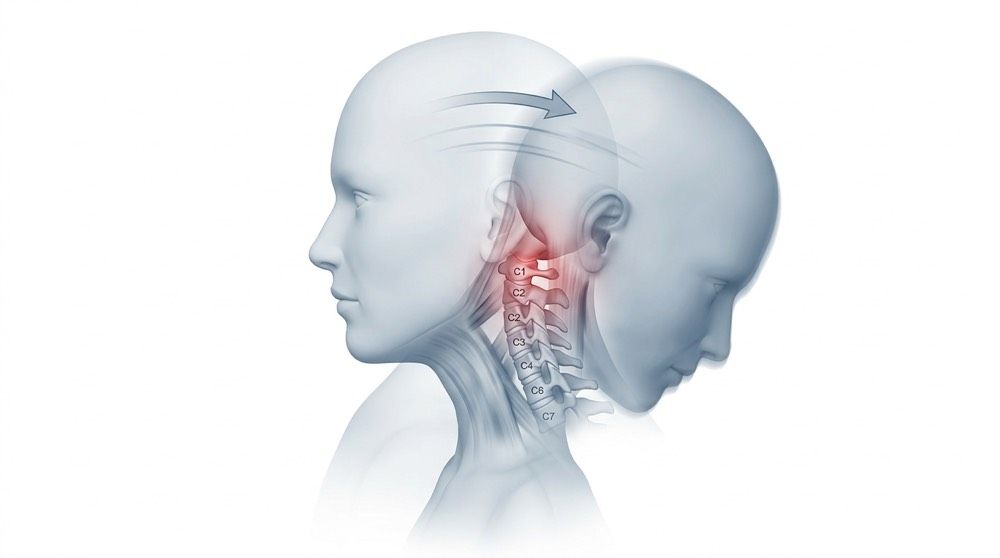
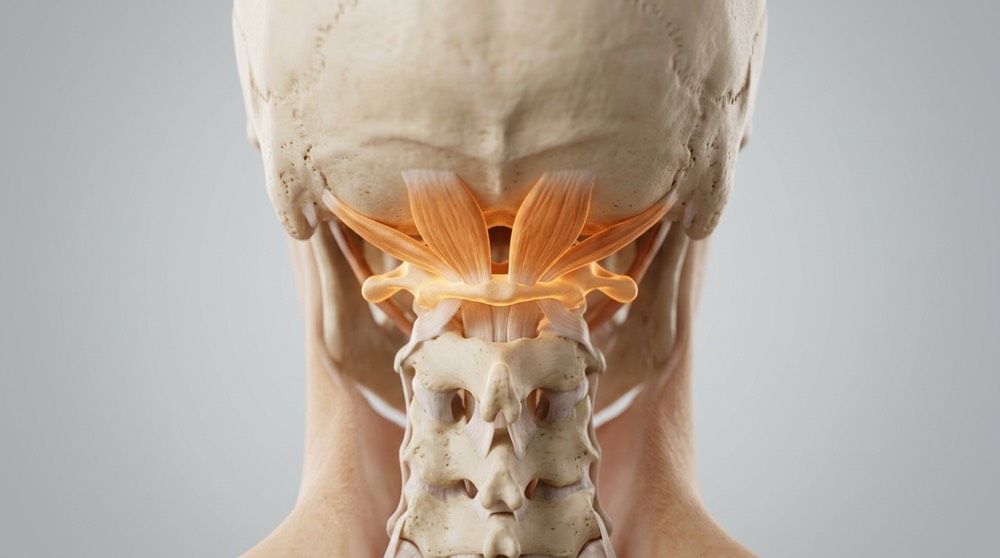
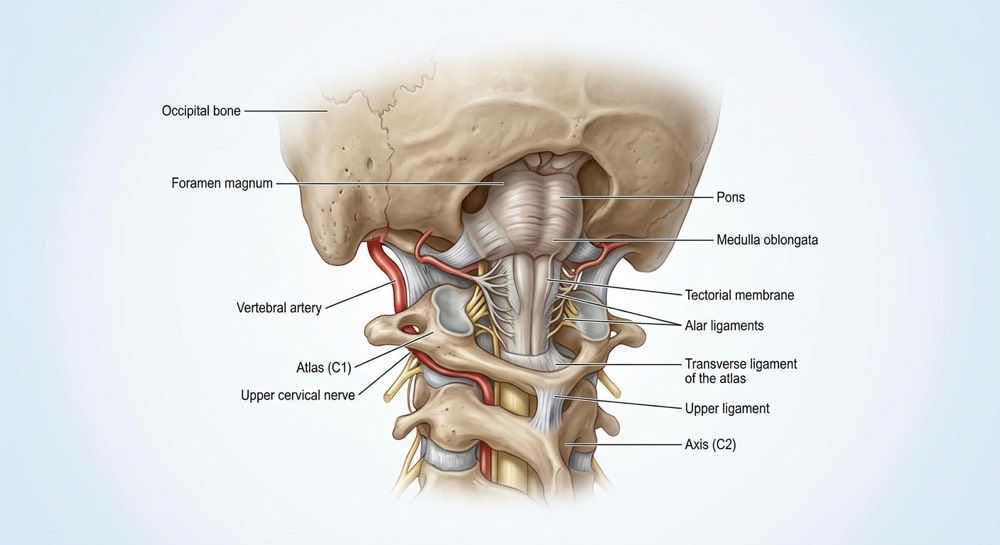
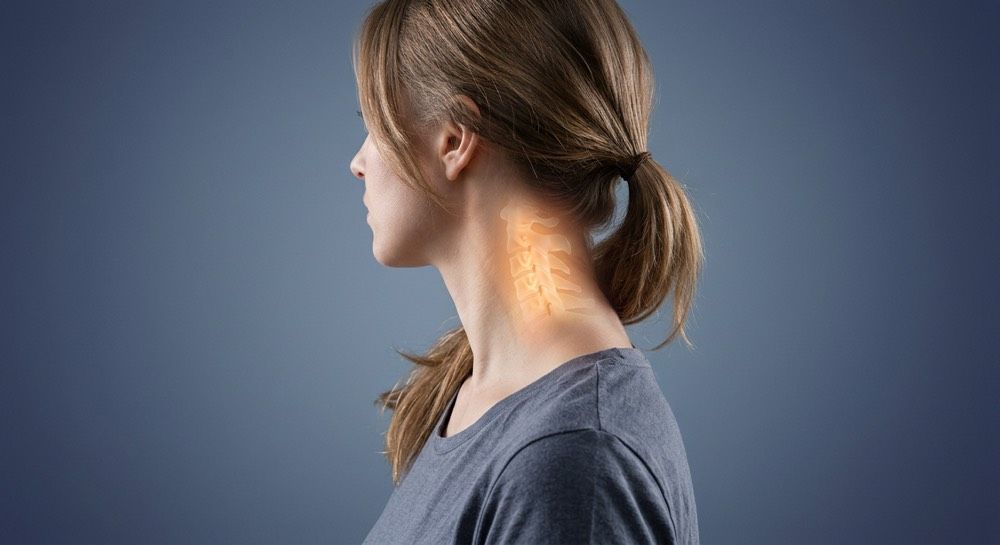
Your nerve system—comprising your brain, spinal cord, and nerves—plays a pivotal role in this process. It controls your endocrine and immune systems and regulates every bodily function.
If your nervous system isn’t functioning optimally, your body might struggle to keep up with the rapid changes of the season, just like slow-changing leaves.
So, here’s the good news: if you’re currently under my care at Keystone Specific Chiropractic Center, it’s scientifically proven that you have a stronger immune system, better respiratory functions, and a lower susceptibility to colds and the flu. You are indeed #KillingIT.
Wondering about the state of your nervous system? Don’t just sit on the sidelines—let’s get you checked. Make sure you’re ready to be the Clark Griswold of this holiday season!